
The Government, through the Ministry of Works and Transport, has intensified field monitoring of road networks in the Southern Region as part of ongoing efforts to improve connectivity, facilitate movement of people, goods, and support socio-economic development.
The comprehensive road inspection exercise, led by the Ass.Comm. for Road Maintenance, Eng. Racheal Ngonzebwa, covered Ibanda, Kasese, Kabale and Mbarara stations. The exercise brought together technical teams, local leaders, District Local Governments and other stakeholders to assess the condition of roads, understand challenges on the ground and identify areas requiring attention.
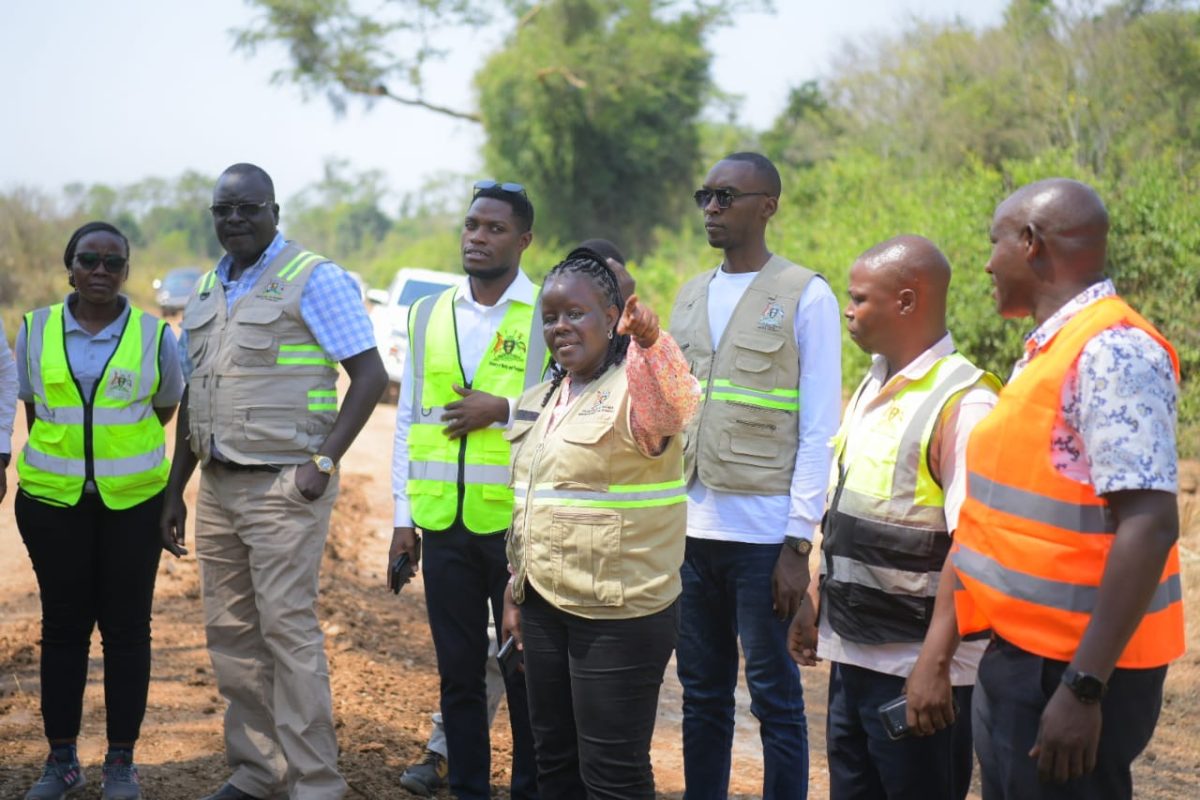
At each station, the team held stakeholder and District Local Government engagement meetings before proceeding to inspect road corridors. These engagements gave a platform for local leaders and stakeholders to share concerns affecting road maintenance, while strengthening collaboration between the Ministry and local governments.
In Ibanda Station, the team inspected several road corridors, including Kagongo–Bwizibwera, Nyakambu-Nsiika and Nyakabirizi. The engagements focused on road maintenance requirements and the need for coordinated action to ensure roads remain accessible to the communities they serve.
The exercise continued in Kasese Station, where the team inspected Kasese–Kikorongo–Katunguru, Katunguru–Ishasha–Kihihi, Kanyantorogo–Buhoma, Buhoma–Ishasha–Rukungiri and Rukungiri–Kagamba–Ntungamo. The team also assessed the 87-kilometre Katunguru–Ishasha corridor, where the challenging terrain and operational requirements present particular maintenance demands.
At Kabale Station, the team engaged Kabale District Local Government and stakeholders before inspecting Kabale–Muhanga–Rubare, Rubare–Kyempene–Rubirizi, Kyempene–Rubare–Ntungamo, Ntungamo–Kafujo–Kitwe and Kitwe–Bugamba–Nyakyiraguju corridors.
The inspection also covered Mbarara Station, where similar engagements with District Local Governments and stakeholders were held to review the condition of roads and challenges affecting maintenance and service delivery. Across the four stations, stakeholders raised a range of concerns, including availability of financing, equipment and the need to effectively manage difficult terrain. The engagements provided an opportunity for the Ministry to listen directly to communities and local authorities and better understand the realities faced in maintaining roads across the region.
Road infrastructure remains critical to Uganda’s development, connecting communities to markets, schools, health facilities and other essential services. Government therefore continues to prioritize the maintenance and improvement of roads to keep them safe, passable and able to support economic activity.
The Ministry will continue working with District Local Governments, stakeholders and communities to follow up on issues identified during the inspection and ensure that interventions are aligned with the needs of the people who depend on these roads every day.