

The Ministry of Works and Transport has concluded a comprehensive inspection of road infrastructure across the Central Region, covering road sections in Mpigi, Gomba, Masaka and Sembabule Districts. The exercise, led by the Assistant Commissioner for Road Maintenance, Eng. Racheal Ngonzebwa, focused on assessing the condition and progress of roads, quality of workmanship, compliance with required standards and interventions needed to improve connectivity, road safety and value for money.
The inspection covered Katende–Bulwanyi, Bulwanyi–Mpigi, Mpigi–Kanoni, Kanoni–Maddu, Maddu–Kyayi–River Nabakazi, Kabulasoke–Miwuula Junction (20km) under Force Account, Miwuula–Lukaya, Masaka–Nyendo (5km), Nyendo–Villa Maria/Ndegeya PTC Access Road, Villa Maria–Sembabule and Sembabule–Nkonge Road (58km), which is under upgrading
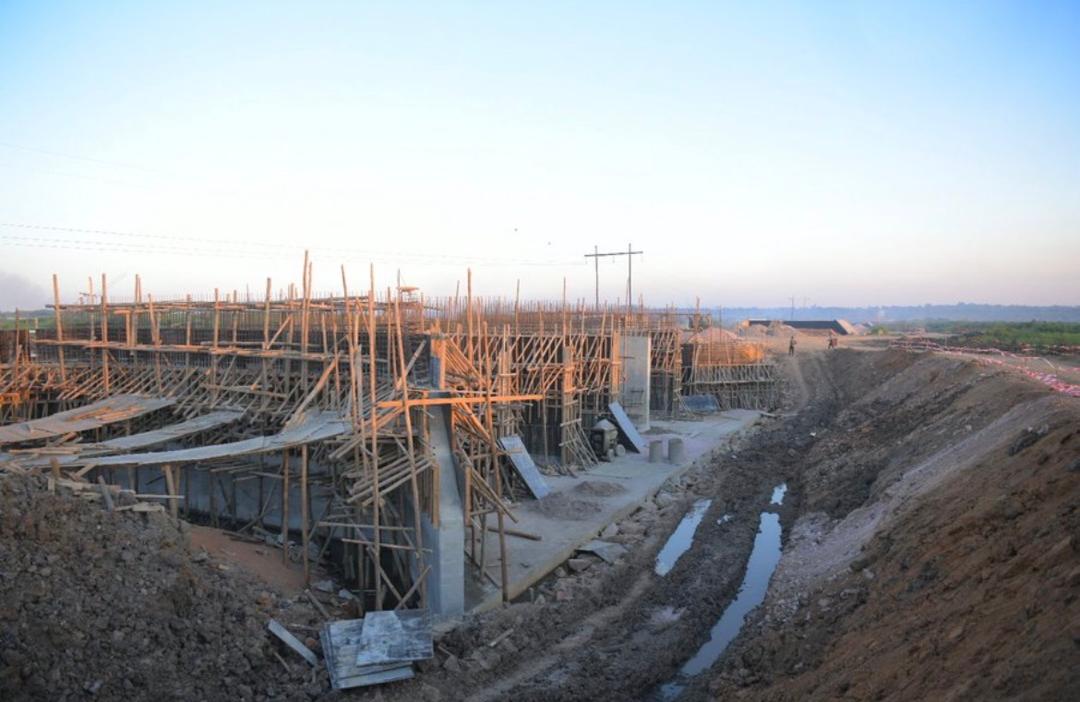
A number of road maintenance and safety concerns were identified during the field assessment. Potholes remain a major challenge on several sections, requiring timely interventions to prevent further deterioration and improve safety for road users. The team also emphasised the need for quality workmanship, proper graveling and compliance with engineering standards, noting that road works should provide durable solutions and value for public resources invested.
Drainage was another key area of concern, with stagnant water observed in some road trenches and the need for better drainage systems along vulnerable sections. The team called for improved planning and appropriate interventions for flood-prone sections, including adequate and properly positioned culverts to facilitate the effective flow of storm water. Concerns regarding roadside silt that can obstruct drainage and contribute to accidents were also highlighted for attention.
The inspection also provided an opportunity to assess the progress of ongoing works and identify challenges requiring intervention. Particular attention was given to ensuring that road construction and maintenance activities are properly planned, supervised and implemented in accordance with the required standards. The objective is to ensure that investments in the road network translate into safe, reliable and sustainable infrastructure for communities and other road users.
The field inspection was complemented by stakeholder engagements with Mpigi, Gomba, Masaka and Sembabule District Local Governments. District leaders raised concerns regarding land acquisition and compensation associated with road projects and called for continued engagement to address challenges affecting implementation. They also highlighted the need for stronger cooperation between the Ministry and Local Governments in the planning, supervision and maintenance of road infrastructure.
Ministry team called for increased efforts to protect road infrastructure from vandalism, noting that damage and theft of road furniture and other infrastructure undermines public investment and can compromise road safety. The engagements emphasized the importance of the Ministry and Local Governments working as one coordinated team to identify challenges early, strengthen supervision and ensure effective maintenance of roads.
The Local Governments also highlighted road links whose maintenance and improvement are beyond their available technical and financial capacity, calling for support on such priority links. The Ministry team took note of the concerns and the need for continued coordination to identify appropriate interventions.
The district leaders appreciated the Ministry team’s decision to come to the ground, assess road conditions and engage directly with local authorities. They noted that such field engagements strengthen accountability, improve coordination and enable practical challenges affecting road users and communities to be addressed based on conditions on the ground.
The inspection across the Central Region underscores the Ministry’s commitment to strengthening road maintenance, improving road safety, ensuring quality infrastructure and achieving value for money. The findings will support the identification of priority interventions while continued collaboration with District Local Governments and other stakeholders will remain critical in addressing road maintenance, drainage, safety, vandalism and other challenges affecting the performance of the road network.